



Steel-to-Steel Beam Connections
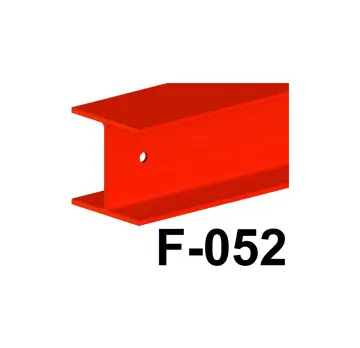
Explore our illustrated selection of steel connections, which includes cranks, base plates, end plates, studs and splice beams.
Regardless of the size of the project, Steel Edge UK guarantees that your steel beam connections are effective, dependable, and consistent with industry standards.
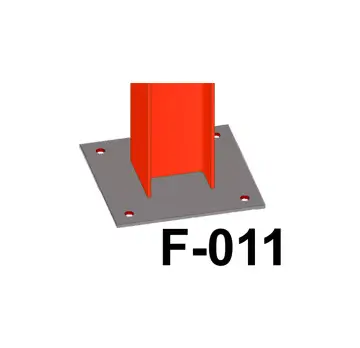
Base Plate
Explore our illustrated selection of steel connections, which includes cranks, base plates, end plates, studs and splice beams.
Regardless of the size of the project, Steel Edge UK guarantees that your steel beam connections are effective, dependable, and consistent with industry standards.
End Plate
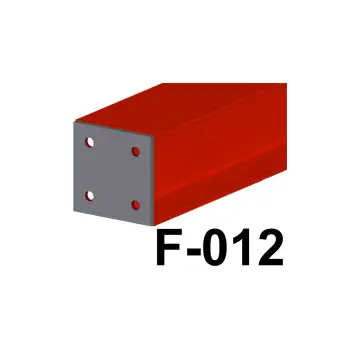
A flat, usually rectangular piece of metal that is fastened to the end of structural beams or columns is called a steel end plate. Its pre-drilled holes let bolts to pass through, enabling safe connections with other structural components.
This simple and sturdy part is essential to guaranteeing the stability and strength of a structure.
End Plate Connection
In structural engineering, end plate connections are a technique for joining beams or columns. It entails attaching an end plate to a structural member’s end. making a secure connection by aligning pre-drilled holes and inserting bolts through them. This method is preferred due to its robustness, ease of use, and versatility in different structural arrangements.
Moment Connection
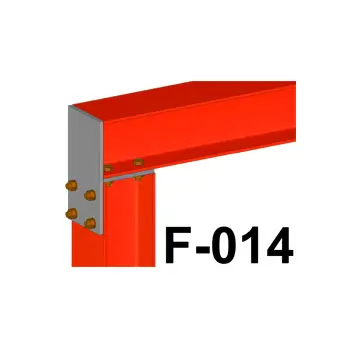
Overhanging plates that bolt into a column are a feature of moment connections. When a connection must endure a high “moment,” such as when a wall is replaced with a box frame that must endure significant wind loads from the sides, this kind of connection is commonly utilised.
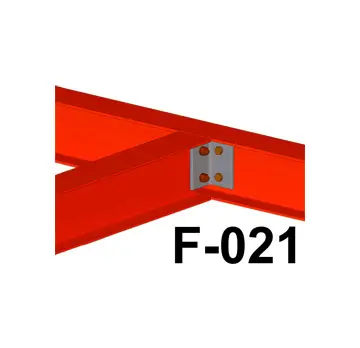
Cleat
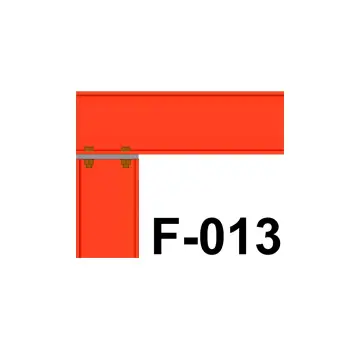
One beam is bolted into the side of another beam using a cleat. RSA sections (angles) are used to make studs, which are attached to both beams. One cleat will be needed if just one side needs to be connected, and in some situations, welding the cleats to a beam’s end is preferable to bolted connections.
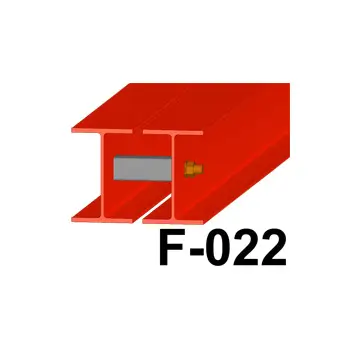
Spacer - Beam
When projects are struggling for height, for instance in basements and lofts, it is often preferable to replace a deep beam with two smaller beams. However, to ensure stability and resistance to buckling, these beams need to be bolted together, and this is where a spacer is used and is usually welded to one of the beams. The bolts are typically 600 mm apart from each other.
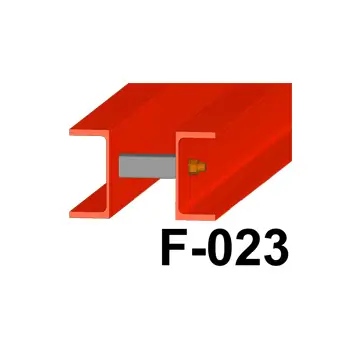
Spacer - PFC
When a cavity wall needs to be supported above an opening, two PFCs can be bolted together back to back, with a spacer inbetween, in order to give strength to the walls. The gap between the sections matches the width of the cavity, and the spacing between the bolts is 600 mm from centre to centre.
Crank 90°
A 90° crank is a typical crank but with two kinks. In a 90° crank the top member will be horizontal and the bottom vertical. Cranked beams are most frequently used to support roof structures, therefore the angle of the middle member needs to follow the pitch of the roof. It is crucial that full penetration welds are used with these connections to ensure the crank will carry the load.
Kink 90°
Two steel sections are linked by a weld in 90° kink connectors. It is utilised for brackets or in situations when a column must support a beam and a bolted connection is not feasible.
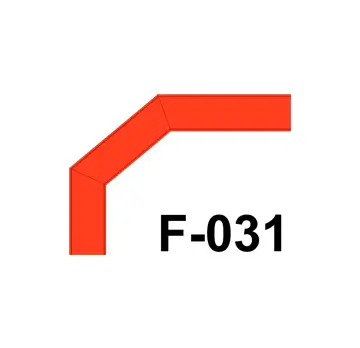
Kink – angle
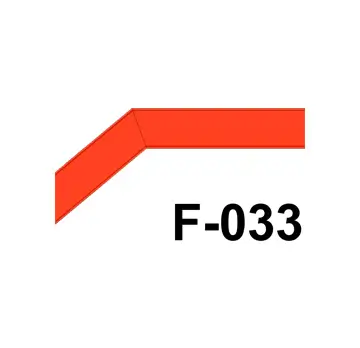
With some projects, a single kink that follows the pitch of the roof is adequate for the support required, and the end of the beam is supported without the need for an additional vertical column.
Kink with plate
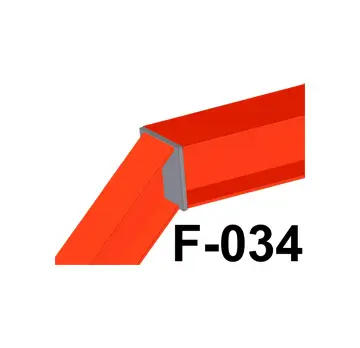
This is essentially a ‘kink–angle’, but with an additional plate between the two sections. This type of connection is used when the two pieces being joined are of different sizes.
Gusset
Two steel sections are linked by a weld in 90° kink connectors. It is utilised for brackets or in situations when a column must support a beam and a bolted connection is not feasible.
Plate – bottom
To support masonry or timber joists, a bottom plate is placed to a beam. In order to adequately support the brickwork, the bottom plate is often displaced to one side and seam welded to the beam.
Plate – top
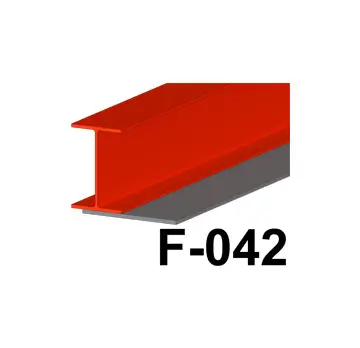
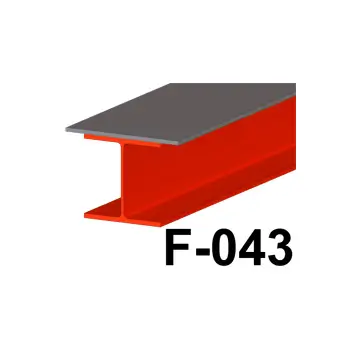
A top plate is added when the size of the required beam is smaller than the wall it is carrying. An example is a door opening in a cavity wall.
Stiffener
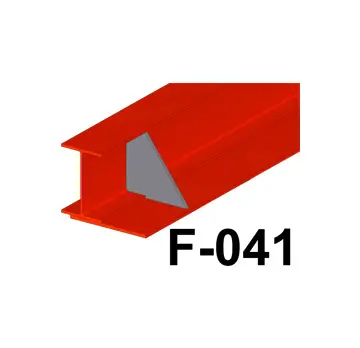
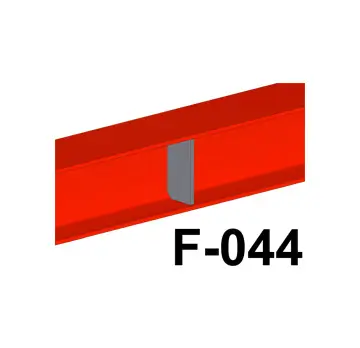
As the name suggests, a stiffener provides additional stability by connecting both flanges and the web. This prevents the web from buckling.
Tab
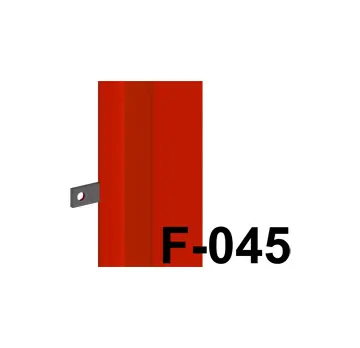
Tabs are welded to hollow column sections to make it possible to anchor them to walls. In most cases, M12 anchors are used every 600 mm and in a staggered formation.
Hole – flange
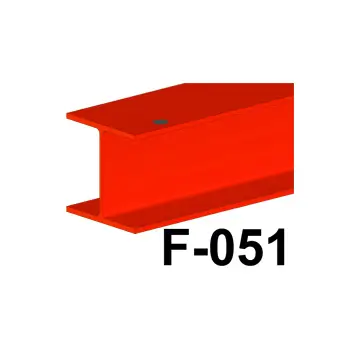
Column flanges, whether UC, UB, or PFC, have holes drilled in them as an alternative to welding tabs and to secure them to walls. M12 anchors are typically utilised in a staggered arrangement, spaced 600 mm apart.
Hole – web
Holes are drilled in the web of the beam to enable timber joists to be fixed to both sides. Floor joists can then be spanned from the beam joists after timber joist hangers are fastened to them.
Splice A1
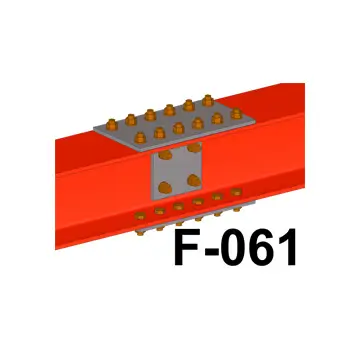
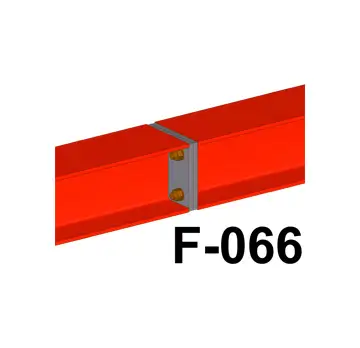
Splices are required when a beam is either too long or too heavy to install safely. When a beam spans two party walls, a splice is also recommended to easily install the beam, with the alternative being temporarily removing a large wall section. As a rule of thumb, the flange plates need to be at least the same thickness as the beam’s flange and the same rule applies to the web plates.
Splice A2
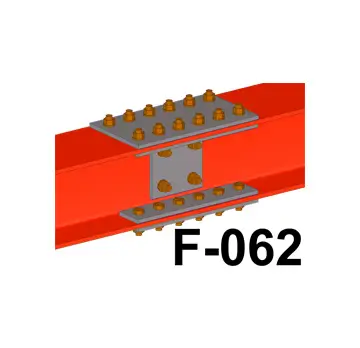
In some cases, the structural engineer may request additional inner flange plates for the splice connection.
Splice A3
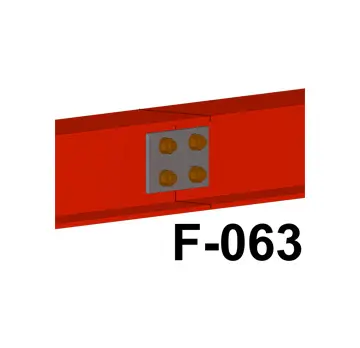
This type of splice is not a full-strength connection and therefore is only used to align two sections. This type of connection needs additional support, either via a column or by a padstone.
Splice B1
When height is limited, regular splices such as A1 and A2 can add as much as 100 mm to the total depth of the beam, therefore are not desirable options. In this case, you can consider using a B1 splice, although it is not a full splice and therefore will be unsuitable for some applications.
Gallow Bracket
These constructions are commonlGallow brackets have been used to support chimney breasts for many years, however many local authorities no longer allow them to be used. If your planning department advises these are not allowed then you will need to use a full steel beam structure instead.y used by builders to replace side walls with cross beams. The cross beam blends in perfectly with the existing structure while serving as a strong horizontal support. This technique effectively makes room, guarantees structural integrity, and produces a smooth transition between the new addition and the original building.
WHY BUY FROM US
We have Qualified Scaffolders that offer high-quality scaffolding services to both commercial and domestic customers. We comply with all related health and safety regulations. We pride ourselves on our commitment to providing a professional and speedy service while maintaining the highest quality of work.
Steeledge has multiplied for relentless commitment toward Quality, Safety, Compliance, and Innovation. Steeledge follows a solutions-based customer-centric approach, thereby helping customers achieve their goals at the correct pricing with no compromise on Quality Deliveries for Contract Projects and Hire or Sales engagements. ….
STEELEDGE is an established company dealing in Scaffolding & Formwork products in the UK with distribution in the entire European and Gulf region with a clear vision and mission to provide High Quality Products, Solutions and Services to customers in various Business segmentsand geographies spanning the Middle East, Africa, and Europe for a variety of customer requirements in Contracts, Hire and Sales.
Safe Online Transaction
Express Delivery
Bulk Discount Offers
Clients Love
Testimonial
Even the all-powerful Pointing has no control about the blind texts it is an almost unorthographic life One day however a small line of blind text by the name of Lorem Ipsum decided to leave for the far World of Grammar.
Subscribe For Newsletter
Sign up now for updates about early registration. A wonderful serenity taken possession into entire soul also like.